General Servicing & Repairs
Routine Vehicle Servicing
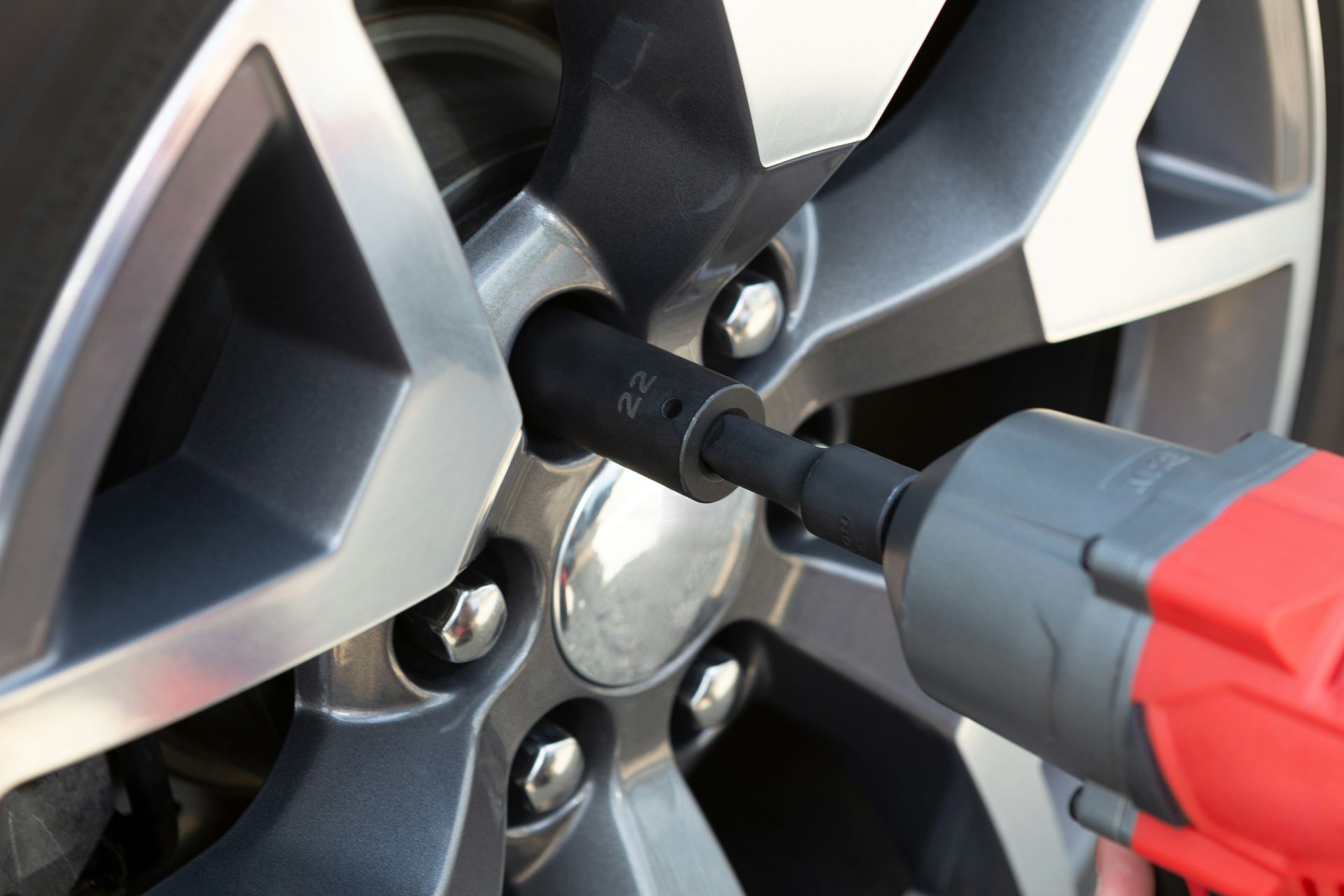
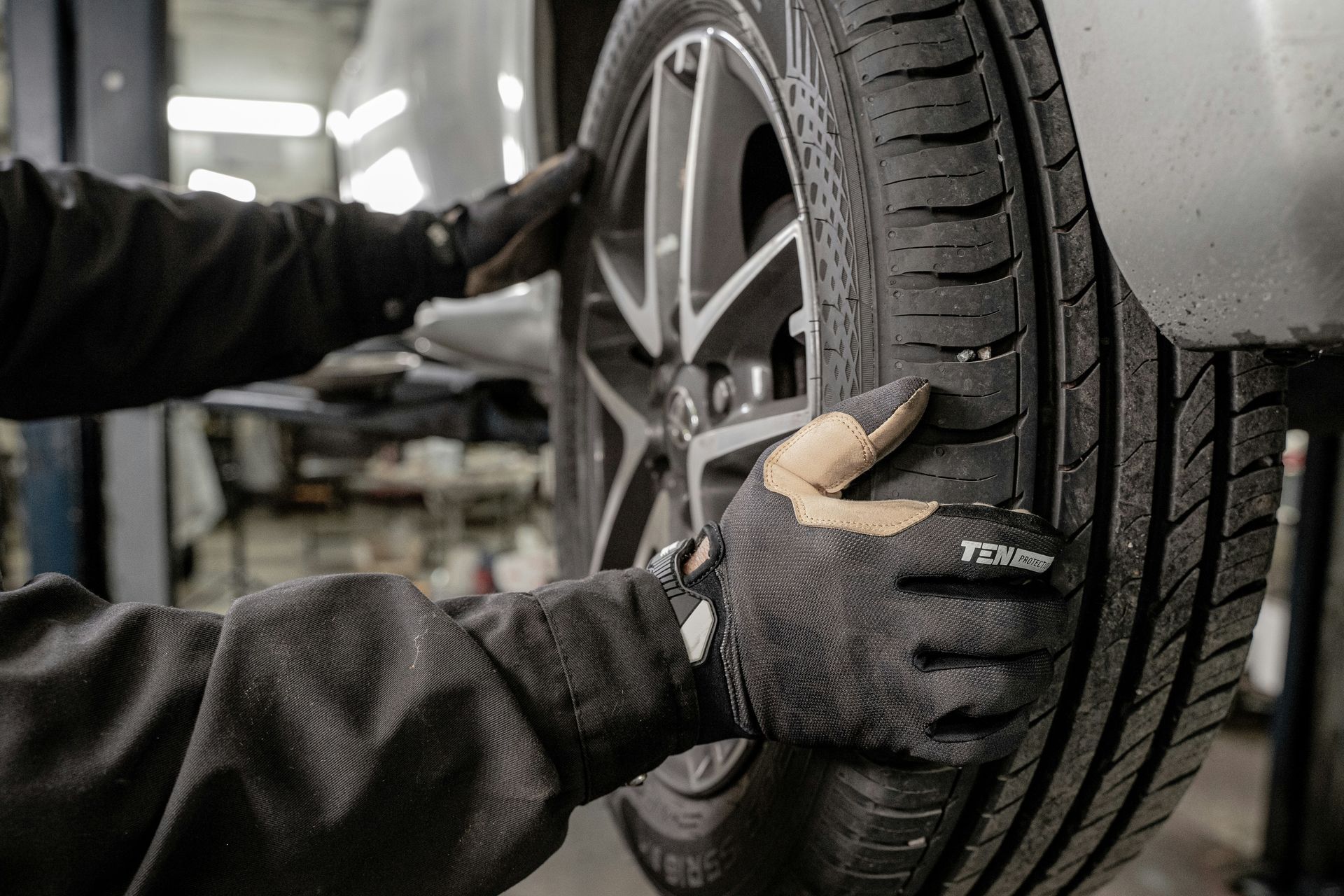
Regular servicing helps prevent costly repairs and extends the life of your vehicle. Our routine services include oil changes, fluid checks, tune ups, brake servicing, and scheduled maintenance based on manufacturer recommendations. Every service is carried out with care and attention to detail to keep your vehicle in top condition.
General Fabrication
Our fabrication services for general vehicles include custom brackets, exhaust repairs and modifications, and structural repairs where required. We work with mild steel, stainless steel, and aluminium using MIG and TIG welding to ensure strength, accuracy, and durability.
Transmission & Drivetrain
We carry out gearbox and transmission servicing, clutch and flywheel replacement, differential repairs, and driveshaft servicing. Our team diagnoses issues such as vibration, noise, rough shifting or slipping, and completes all adjustments and installations to manufacturer tolerances.
Diagnostics & Electrical
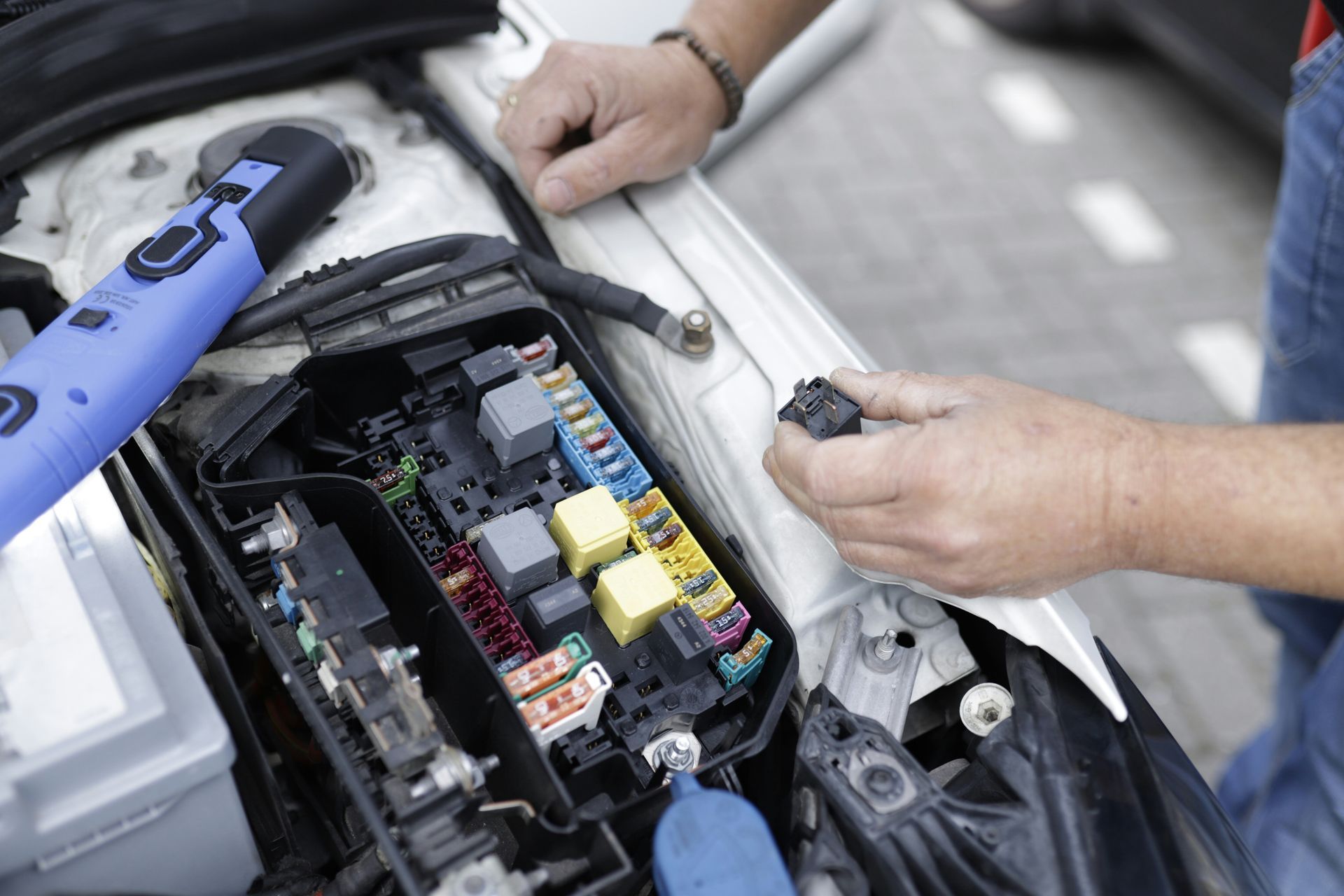
We use advanced diagnostic equipment to scan ECU systems, identify fault codes, and resolve warning light issues. This includes testing sensors, ignition systems, and electrical components to accurately pinpoint problems before carrying out repairs.
Engine & Mechanical Repairs
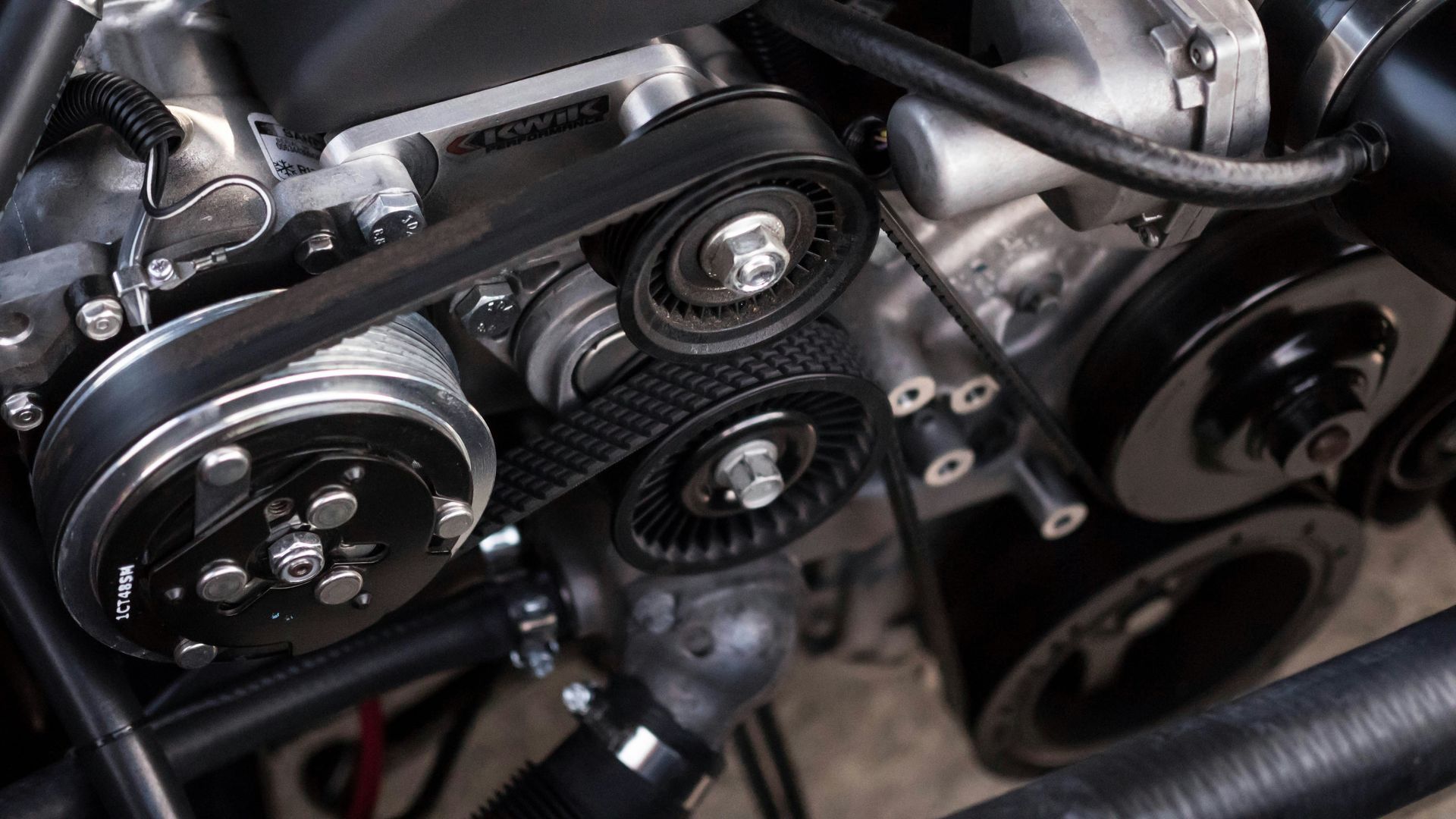
Our general mechanical division covers full engine diagnostics and repairs, including timing belt and timing chain replacement, head gasket repairs, cooling system servicing, and radiator replacement. We inspect, test, and replace worn components and resolve issues such as overheating, oil leaks, misfires, and loss of power, ensuring reliable performance for everyday vehicles.
FAQs
What is a car service?
A car service is routine maintenance carried out to keep your vehicle running safely and reliably. It involves checking, maintaining, and replacing key components such as engine oil, filters, fluids, brakes, and tyres to help prevent breakdowns and extend the life of your vehicle.
What does a car service include?
A standard car service usually includes an oil and filter change, fluid checks and top ups, brake inspection, tyre condition and pressure checks, battery testing, and a general safety inspection. The exact items included can vary depending on the service type and the vehicle manufacturer’s requirements.
How often should you service your car?
Most vehicles should be serviced every 10,000 to 15,000 kilometres or once a year, whichever comes first. Some newer vehicles may have longer service intervals, while older or high mileage vehicles may benefit from more frequent servicing. Always refer to the manufacturer’s service schedule.
How long does a car service take?
A basic car service typically takes between one and two hours. More comprehensive services or vehicles requiring additional work may take longer. The time can also vary depending on the vehicle type and whether any issues are identified during the inspection.
How do you check a car’s service history?
You can check a car’s service history by reviewing the service book, invoices, or digital service records. Many modern vehicles have electronic service histories that can be accessed by authorised service providers. If records are missing, a mechanical inspection can help identify how well the vehicle has been maintained.
Contact Us About Restoration Services
Thank you for contacting Cartel Works!
We will get back to you as soon as possible.
Oops, there was an error sending your message.
Please try again later.